
Ingrown Toenail: Causes, Symptoms, Treatment & When to See a Doctor
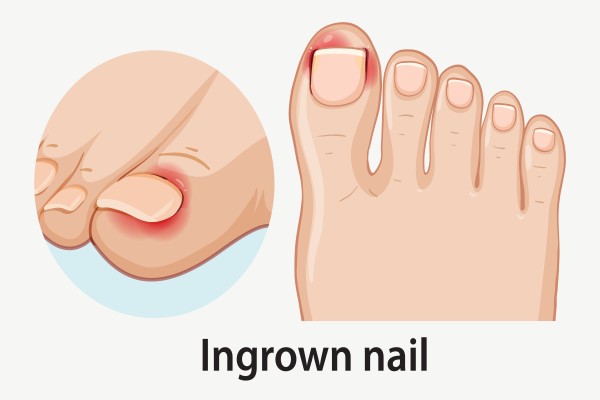
An Ingrown Toenail is a common yet painful foot condition that occurs when the edge of a toenail grows into the surrounding skin. If ignored, it can lead to infection, swelling, and severe discomfort while walking. Early care and the right treatment can prevent complications and help you heal faster.
What Is an Ingrown Toenail?
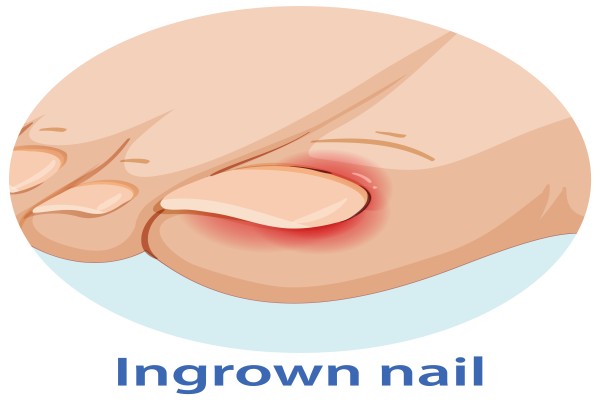
An ingrown toenail happens when the corner or side of a nail—usually on the big toe—presses into the skin instead of growing straight out. This causes redness, pain, and sometimes infection.
How an Ingrown Toenail Develops
When nails are cut too short, rounded at the edges, or subjected to pressure from tight shoes, the nail may grow abnormally. Over time, the nail pierces the skin, triggering inflammation and pain.
Which Toenails Are Most Commonly Affected?
The big toenail is most commonly affected because it bears maximum pressure while walking, running, or wearing tight footwear.
Common Causes of Ingrown Toenails
Improper Nail Trimming
Cutting nails too short or curving them at the edges increases the risk of an ingrown toenail.
Tight or Ill-Fitting Shoes
Shoes that squeeze the toes push the nail into the skin, especially during long hours of wear.
Toe Injuries or Trauma
Accidental injuries, stubbing the toe, or sports-related trauma can alter nail growth.
Genetics and Nail Shape
Some people naturally have curved or thick nails, making them more prone to ingrown toenails.
Poor Foot Hygiene
Moist, dirty feet soften the skin, allowing nails to dig in more easily.
Signs and Symptoms of an Ingrown Toenail
Early Symptoms You Shouldn’t Ignore
- Mild pain near the nail edge
- Redness and tenderness
- Slight swelling
Signs of Infection
- Increased swelling
- Pus or discharge
- Warmth around the toe
- Severe pain
Ingrown Toenail Pain Levels Explained
Pain may start as mild discomfort but can become intense if infection sets in, making walking difficult.
Ingrown Toenail Stages (From Mild to Severe)
Stage 1: Mild Discomfort and Redness
The toe feels sore with slight redness but no infection.
Stage 2: Swelling and Infection
Swelling increases, pain worsens, and signs of infection appear.
Stage 3: Severe Pain and Pus Formation
Severe inflammation, pus discharge, and throbbing pain—medical treatment is necessary.
How to Treat an Ingrown Toenail at Home
Safe Home Remedies That Actually Help
- Soak your foot in warm salt water 2–3 times daily
- Keep the area clean and dry
- Wear open-toe or loose footwear
What Not to Do at Home
- Don’t cut deep into the nail
- Avoid digging with sharp tools
- Don’t ignore signs of infection
How Long Home Treatment Takes
Mild cases may improve within 1–2 weeks if cared for properly.
Medical Treatments for Ingrown Toenails
When Home Care Isn’t Enough
If pain, swelling, or infection worsens, professional care is essential. Consulting a qualified skin doctor in Laxmi Nagar and skin doctor in East Delhi can help prevent complications.
Partial Nail Removal Procedure
In persistent cases, doctors may remove the affected nail edge under local anesthesia for long-term relief.
Antibiotics and Infection Control
If infection is present, oral or topical antibiotics may be prescribed.
Is Ingrown Toenail Surgery Painful?
Most patients experience minimal discomfort. Modern procedures are quick and safe. In advanced cases, surgery for ingrowing toenail is highly effective and provides permanent relief.
When to See a Doctor for an Ingrown Toenail
Warning Signs You Need Medical Care
- Severe pain or swelling
- Pus or bleeding
- Fever or spreading redness
Ingrown Toenails in Diabetics
People with diabetes should seek medical help early, as infections can become serious quickly.
Chronic or Recurrent Ingrown Toenails
Repeated episodes often require professional treatment to prevent recurrence.
How to Prevent Ingrown Toenails
Proper Nail Cutting Techniques
- Cut nails straight across
- Avoid rounding the corners
- Don’t cut nails too short
Choosing the Right Footwear
Wear comfortable shoes with enough toe space to reduce pressure.
Foot Care Tips for Long-Term Prevention
- Keep feet clean and dry
- Change socks regularly
- Inspect toes frequently
Frequently Asked Questions About Ingrown Toenails
Can an Ingrown Toenail Heal on Its Own?
Mild cases may heal with proper care, but infected ones usually need treatment.
How Long Does an Ingrown Toenail Last?
With treatment, it can improve within weeks. Untreated cases may worsen.
Are Ingrown Toenails Dangerous?
They can become serious if infected, especially in diabetics.
Can You Walk With an Ingrown Toenail?
You can, but walking may increase pain and delay healing.

Final Thoughts: Taking Care of Ingrown Toenails Early
An Ingrown Toenail may seem like a small problem at first, but delaying treatment can lead to severe pain, infection, and difficulty walking. Early home care, proper nail trimming, and wearing the right footwear can prevent complications. However, if symptoms persist or keep coming back, consulting an experienced specialist is essential. Dr. Jitendra Saran, a trusted skin specialist, provides expert diagnosis and effective treatment for ingrown toenails, helping patients get long-term relief with safe and advanced medical care. Timely professional treatment ensures faster healing and prevents future recurrence.