
Summer Skin Infections: Causes, Symptoms, and Prevention Tips
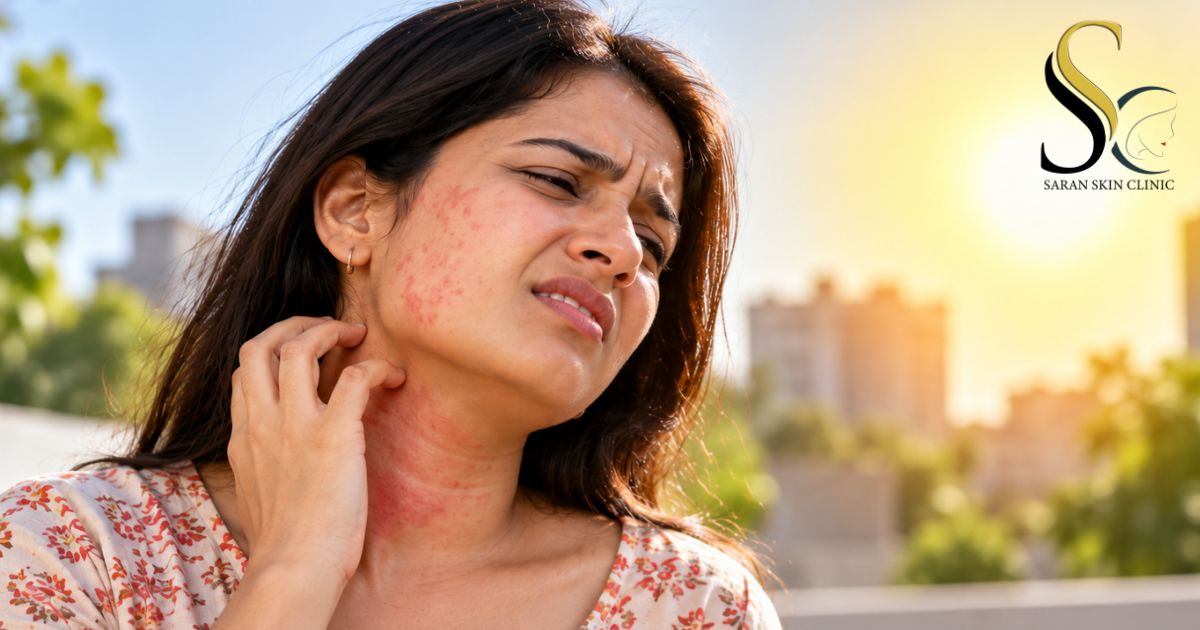
Summer is a season that many people anticipate; it brings many good things: longer days, time off, fun outdoor activities, and many pool parties. However, the hot weather and increased humidity can also create an ideal environment for skin problems to develop. For example, hot weather can cause itchy rashes, fungal infections, and painful boils, and can also cause heat rashes. Without the appropriate precautions, your skin may suffer damage from summer conditions.
Assessing the causes of skin problems, learning about early symptoms of skin problems, and recognising ways to help prevent the occurrence of skin problems will help you enjoy your summer without distress.
What Are Summer Skin Infections?
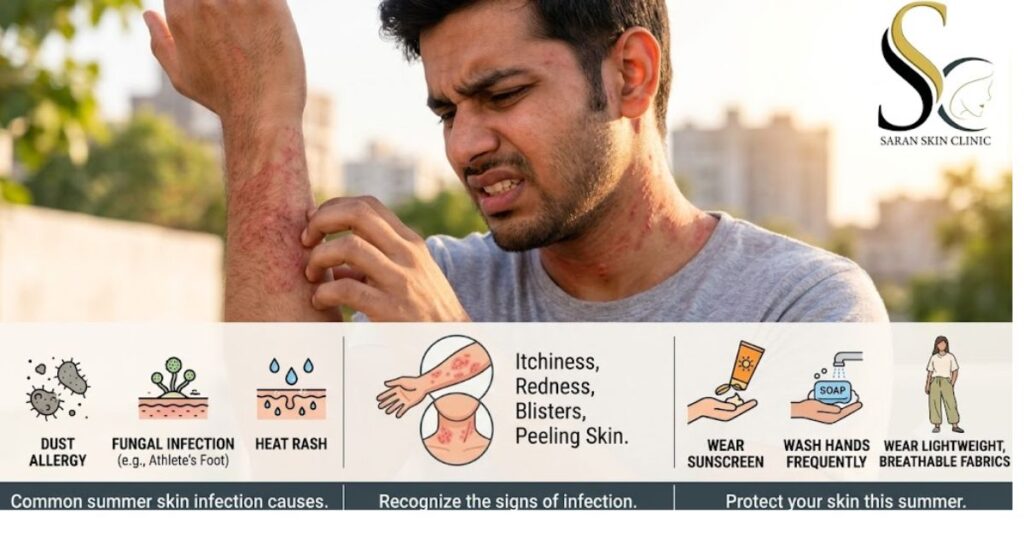
Skin infections in summer can be described as various skin problems that tend to occur more frequently in hotter, humid weather. Infections develop when a variety of bacteria, fungi, and/or viruses grow perfectly in the warm and wet environment created by continued, excessive sweating. Infection can develop as a result of poor hygiene, prolonged exposure to moisture, excessive outdoor activity, etc.
Some skin infections appear more like a basic rash, while others can rapidly worsen if not treated. Early diagnosis and treatment are important to prevent complications later.
Why Are Skin Infections More Common During Summer?
How Heat, Sweat, and Humidity Affect Your Skin
The natural process of using perspiration by the human body is to cool down the body. During hot weather, perspiration occurs more often than would normally be the case, thus resulting in the moisture occurring within the armpit, groin, neck, and under-breast areas. The combination of heat and moisture gives bacteria and fungi a perfect growing environment. Due to the increase in humidity, your skin becomes more sensitive, which makes it easier for pathogens to penetrate your skin, thus making the chances of infection much greater. The effect of prolonged sun exposure to these areas may also lead to further irritation and an increase in sensitivity and inflammation.
Who Is More at Risk of Summer Skin Infections?
Although anyone can develop summer-related skin problems, certain individuals are more susceptible:
- Kids who are outdoors for way too long
- Athletes & athletes into fitness
- Diabetics Patients
- Individuals who are obese
- Individuals with a weak immune system
- Persons who have eczema or other conditions involving chronic skin conditions.
- People who work out in warm & humid conditions.
Common Types of Summer Skin Infections and Rashes
Fungal Infections (Ringworm, Athlete’s Foot, Jock Itch)
Summer is one of the busiest times of the year for fungal infections. Fungi grow well in warm and humid environments.
Fungal skin infections include:
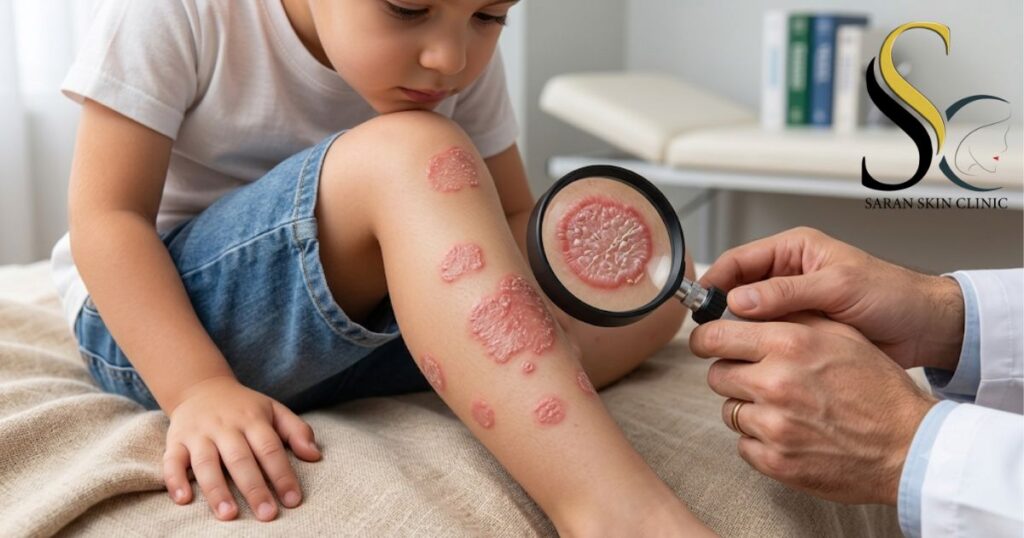
- Ringworm: Round, dry, itchy patches with a rounded boundary.
- Athlete’s Foot: Conforms to all of the above, and it is common to find areas between the toes blistered and cracked.
- Jock Itch: Represents an itching, red rash around the groin and inside the thigh area.
Those who have fungus can easily transmitted from one person to another through sharing towels, clothing items, and using hot tubs and swimming pools.
Bacterial Skin Infections
Bacteria can get into your body through small openings in the skin, such as from a cut or bite from an insect, or due to another form of damage to the skin.
There are several types of bacterial infections, including:
- Folliculitis (inflammation of the hair follicles)
- Impetigo
- Cellulitis
- Boils and abscesses
Each type will cause some combination of redness, swelling, tenderness, pus, and pain.
Viral Skin Infections
The incidence of some viruses is higher during the warm months of summer, particularly in children.
Examples of common summertime viruses include:
- Warts
- Molluscum contagiosum
- Herpes simplex (cold sores)
Conditions that encourage contact with another person, sharing items, and being in a shared swimming pool can increase your risk of transmitting these types of viruses to others.
Heat Rash (Prickly Heat)
Sweat cannot escape as expected due to the blockage of certain sweat ducts, causing sweat that is trapped to form small red bumps on the skin. Symptoms of trapped sweat include itching, prickly feelings, or stinging sensations. Prickly heat, or heat rash, typically appears on areas such as the neck, chest, back, underarms, and groin.
Sun-Induced Skin Rashes and Allergic Reactions
While many people experience an allergic response when they are presented with excessive exposure to the sun, other forms of allergic skin reactions can develop due to extended exposure to sunlight. For example, a polymorphic light eruption will create a red, itchy, and/or swollen rash on skin that has direct exposure to the sun. Other components that may cause photoallergic reactions during summertime are specific medications, some types of cosmetics, and sunscreen products that can cause photoallergic reactions.
Read to learn more about the summer care routine for healthy and glowing sweatproof skin.
Symptoms of Summer Skin Infections You Should Not Ignore
Itchy Skin During Summer
Hot weather can sometimes cause you to feel itchy. If you continue to itch or have severe itching, a fungal infection, allergic reaction, or flare-up of eczema may be present. If your itching gets worse with at-home treatment(s), please see a doctor for advice.
Redness, Burning, and Skin Irritation
Red, inflamed skin accompanied by burning sensations often suggests infection or allergic dermatitis. Irritated skin that continues to spread should never be ignored.
Rashes in the Summer: When Are They a Concern?
In general, mild rashes improve when you have good skin care. If any or all of the following situations happen for your rash, you may want to see a dermatologist:
- Rash spreads quickly.
- Rash has not improved within a week.
- Fever with rash.
- Rash itches so much that it interferes with daily life.
Blisters, Pus, and Skin Peeling
In case you observed an occurrence of a blister, oozing or open sore, pus-filled bumps, and/or skin peeling, this could indicate that you may have a serious infection and need to seek medical help.
Not receiving timely treatment could lead to an increase in the severity of an infection and possibly increase your risk of developing scars.
What Causes Summer Skin Infections?
Excessive Sweating and Poor Ventilation
When you wear a tight outfit in hot weather, it can trap sweat against your body. If sweat cannot be dried by air, bacteria will develop.
Sharing Towels, Clothing, or Personal Items
If you share towels, gyms, shoes, or clothes with other people, you risk being exposed to contagious fungal or bacterial infections.
Prolonged Exposure to Moisture and Wet Clothes
Keeping wet swimsuits or sweaty sports clothes on for extended periods provides a perfect environment for developing an infectious disease. As soon as you can, always change into dry clothing.
Weakened Immunity and Existing Skin Conditions
Those with immunocompromised health or long-term skin disorders such as eczema and psoriasis tend to get many infections. Their skin barrier is often compromised, which allows for easier entry of germs into their bodies.
Summer Skin Rash Treatment: Effective Ways to Manage Symptoms
Home Care Tips for Mild Summer Rashes
For mild skin irritation:
- Keep affected areas cool and dry.
- Apply cold compresses.
- Avoid scratching.
- Take cool showers.
- Wear loose cotton clothing.
Simple measures often provide significant relief. Read our blog on naturally glowing skin in summer for a better understanding.
Over-the-Counter Treatments for Itching and Rashes
If you’re suffering from a skin problem, you may be able to alleviate some of the discomfort by using non-prescription products such as antifungal creams, calamine lotion, or antihistamines, depending on the diagnosis of the cause of the skin problem. However, if your symptoms are getting worse or not improving, you should consult your physician before trying any kind of self-treatment.
Medical Treatments for Fungal and Bacterial Infections
You may need to consult a doctor for chronic fungal infections and obtain a prescription for a medication that will treat them. Bacterial skin infections typically require either topical or oral antibiotics. In addition, visiting the best skin doctor in East Delhi could help you correctly diagnose and get the treatment you need for your infection if it is a recurrent or severe infection.
What to Avoid When You Have a Skin Rash
Avoid:
- Scratching the affected area
- Applying unknown home remedies
- Using harsh soaps
- Sharing personal items
- Wearing tight synthetic clothing
These practices may aggravate the condition and delay healing.
How to Prevent Skin Infections During Summer
Maintain Good Personal Hygiene
Regular handwashing, daily bathing, and changing clothing if you sweat will greatly reduce your risk of getting an infection.
Wear Loose, Breathable Clothing
Wear lightweight cotton fabric that breathes and absorbs moisture well.
Keep Your Skin Clean and Dry
Thoroughly dry skin folds after bathing or working out.
Protect Your Skin While Swimming and Exercising Outdoors
Shower as soon as you’re done swimming, and do not lounge around in wet clothes. Use clean towels and footwear when in public facilities.
Use the Right Skincare Products in Summer
Use lightweight and non-comedogenic skincare products that are appropriate for warm weather. Following the right skincare routine helps you keep your skin healthy.
If you regularly have skin issues in the summer, seeing the best skin doctor in Laxmi Nagar can help you establish a proper skincare routine based on your skin type.
When Should You Consult a Dermatologist?
Signs That Require Medical Attention
Seek medical care if you experience:
- Severe itching or pain
- Rapidly spreading rash
- Persistent symptoms despite treatment
- Recurrent skin infections
- Swelling or tenderness
Symptoms That May Indicate a Serious Skin Infection
Immediate medical attention is necessary if you develop:
- Fever along with a skin rash
- Pus-filled lesions
- Extensive redness
- Difficulty breathing
- Facial swelling
A consultation with the best skin doctor in Mayur Vihar Phase 3 can help identify the exact cause and prevent complications.
Conclusion
You can enjoy many outdoor activities in the summertime. Unfortunately, the risk of developing a wide variety of skin infections and rashes increases during the summer months due to heat, sweating, humidity, and prolonged moisture exposure. Summer is considered the season with the highest potential for developing fungal, bacterial, and viral skin infections. The best way to prevent summer skin infections is to practice good hygiene (such as washing your hands), wear breathable clothing, and seek medical attention when necessary.
FAQs
Why does my skin become itchy during summer?
During the summertime, itchy skin can be caused by too much humidity or heat, too much perspiration, fungal infections, or allergic reactions.
What is the best summer skin rash treatment?
Treatment for itchy skin will depend on what caused it. You can use cooling methods along with OTC products (like hydrocortisone) to help relieve mild rashes. If your rash is caused by an infection, you will need to go to a doctor to get a prescription.
How can I prevent rashes in the summer?
Maintain good hygiene, wear breathable clothing, keep your skin dry, and avoid prolonged exposure to sweat and moisture.
Can excessive sweating cause skin infections?
Yes. Excessive sweating creates a warm, moist environment that encourages bacterial and fungal growth.
Are children more prone to summer skin infections?
Yes. Children often sweat more, spend time outdoors, and may have close physical contact with others, increasing their risk of skin infections.
When should I see a dermatologist for a summer skin rash?
Consult a dermatologist if the rash persists, spreads, becomes painful, produces pus, or is associated with fever or swelling.