
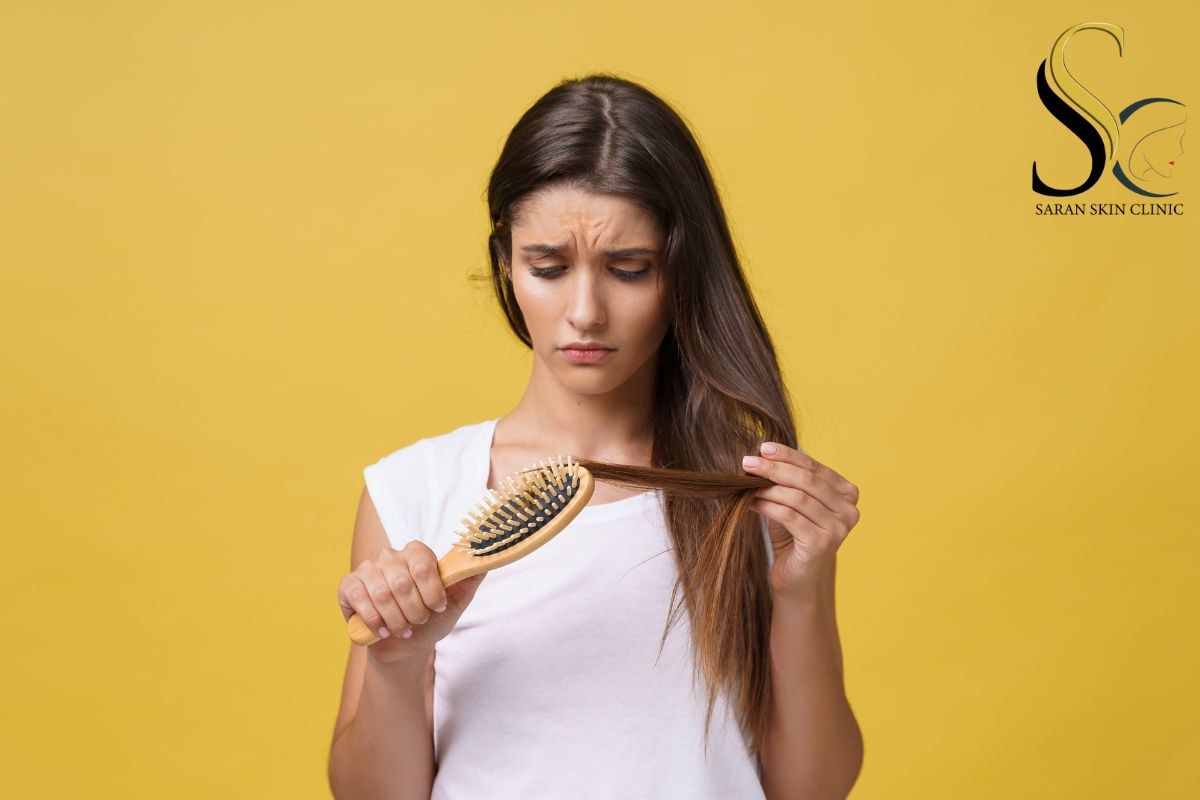
Understanding Female Hair Loss: Causes & Treatments
Hair is often tied to a woman’s identity and self-esteem, making the experience of thinning or shedding particularly distressing. While society often discusses male pattern baldness, female hair loss is incredibly common and can be triggered by a variety of internal and external factors. Understanding the root cause is the first step toward effective restoration. Whether it is a temporary reaction to stress or a long-term genetic condition, modern dermatology offers numerous ways to regain hair density. By focusing on early intervention and professional diagnosis, women can manage hair thinning effectively and restore their confidence.

Understanding Female Hair Loss: Causes & Treatments
Hair is often tied to a woman’s identity and self-esteem, making the experience of thinning or shedding particularly distressing. While society often discusses male pattern baldness, female hair loss is incredibly common and can be triggered by a variety of internal and external factors. Understanding the root cause is the first step toward effective restoration. Whether it is a temporary reaction to stress or a long-term genetic condition, modern dermatology offers numerous ways to regain hair density. By focusing on early intervention and professional diagnosis, women can manage hair thinning effectively and restore their confidence.
1. Identifying the Root Causes of Thinning
Female hair loss, or alopecia, is rarely caused by a single factor. It often stems from a complex mix of genetics, hormonal shifts, and lifestyle changes. Common triggers include Polycystic Ovary Syndrome (PCOS), thyroid imbalances, and the hormonal drop experienced during menopause or after pregnancy. Additionally, nutritional deficiencies—specifically low iron or protein—can starve hair follicles of the energy they need to grow. If you notice a widening part or a smaller ponytail, consulting the best skin doctor in Delhi is the most reliable way to conduct necessary blood tests and scalp biopsies to pinpoint the exact biological cause.
2. Genetic and Hormonal Patterns
The most common type of permanent hair loss in women is Female Pattern Hair Loss (FPHL), also known as androgenetic alopecia. Unlike men, who may develop a receding hairline, women typically experience a general thinning across the top and crown of the head. This condition is often hereditary and can begin as early as the 20s or 30s. Because this type of hair loss is progressive, it requires long-term management strategies rather than quick fixes. Seeking help from the best skin doctor in Laxmi Nagar, Delhi, can provide you with access to FDA-approved topical treatments and hormonal blockers that slow down the thinning process effectively.
3. The Impact of Physical and Emotional Stress
Telogen Effluvium is a temporary form of hair loss that occurs after a major shock to the system. This could be high fever, surgery, sudden weight loss, or intense emotional stress. In this condition, a large number of hair follicles are pushed prematurely into the “resting” phase, leading to significant shedding a few months after the stressful event. While this hair usually grows back on its own, the recovery process can be slow and frustrating. A consultation with the best skin doctor in East Delhi can help accelerate regrowth through specialised scalp lotions and vitamin supplements tailored to your body’s recovery.
4. Advanced Clinical Treatment Options
For women looking for faster and more visible results, clinical procedures have become highly effective. Platelet-Rich Plasma (PRP) therapy is a popular non-surgical option where your own blood plasma, rich in growth factors, is injected into the scalp to stimulate dormant follicles. Other treatments include Low-Level Laser Therapy (LLLT) and specialised hair growth serums. If you are exploring these advanced medical interventions, visiting the best skin doctor in Mayur Vihar Phase 3, Delhi, ensures that you receive treatment in a sterile, professional environment using the latest medical technology for maximum safety and efficacy.
Effective Treatments for Hair Restoration
- Minoxidil (Topical): An FDA-approved over-the-counter treatment that prolongs the growth phase of the hair cycle.
- Nutritional Supplements: Biotin, Iron, Zinc, and Amino Acids help support the structural integrity of the hair shaft.
- Corticosteroid Injections: Often used for Alopecia Areata to reduce inflammation around the hair follicles.
- Hormone Therapy: Birth control pills or anti-androgens may be prescribed if the loss is linked to PCOS or menopause.
- Scalp Micropigmentation: A cosmetic procedure that uses medical-grade pigment to create the illusion of hair density.
FAQs
Q1. How much hair fall is considered “normal” for women?
Answer: On average, losing 50 to 100 strands a day is considered normal. However, if you notice clumps of hair in the shower or visible patches of scalp, it is time to see a specialist.
Q2. Can tight hairstyles cause permanent hair loss?
Answer: Yes, this is known as Traction Alopecia. Constantly pulling the hair into tight buns or braids can damage the follicles. If caught early, it is reversible, but long-term tension can lead to permanent scarring.
Q3. Does washing hair frequently cause it to fall out?
Answer: No, washing does not cause hair loss. It only helps shed hairs that were already detached from the follicle. Keeping the scalp clean is actually essential for healthy hair growth.
Q4. Can hair loss be a sign of a more serious health issue?
Answer: Sometimes, yes. It can be a symptom of autoimmune diseases, anaemia, or thyroid disorders. This is why a professional medical evaluation is crucial for an accurate diagnosis.
Q5. Are natural oils like onion or coconut oil effective for regrowth?
Answer: While some oils can improve hair texture and scalp health, they are rarely enough to treat medical hair loss like FPHL. Clinical treatments are usually required for significant regrowth.