

7-Step Night Routine Recommended by Dermatologists
While your morning skincare is all about protection, your nighttime routine is dedicated to repair and regeneration. As you sleep, your skin’s cell turnover rate increases, and it becomes more receptive to active ingredients. Developing a disciplined evening habit is the secret to waking up with a refreshed and youthful complexion. By following a structured approach, you ensure that environmental pollutants, makeup, and excess oils are thoroughly removed, allowing potent serums to penetrate deeper. Consistency is key; a dermatologist-approved sequence ensures you address specific concerns like aging or acne without overwhelming your skin barrier.

1. The Power of Double Cleansing
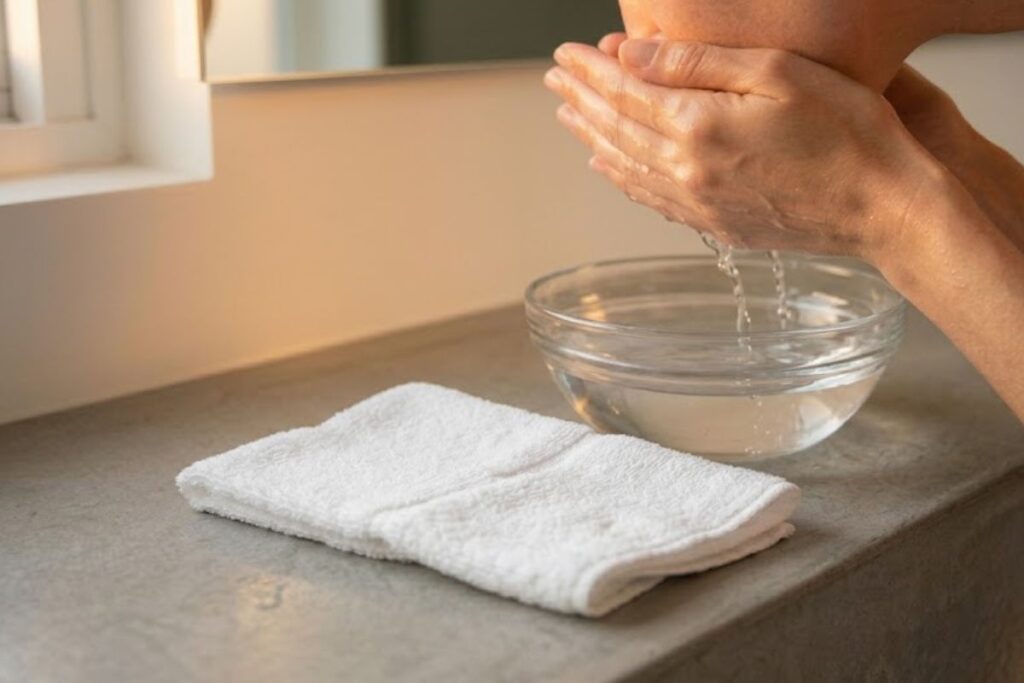
The first and most crucial step in any professional-grade night routine is double cleansing. Start with an oil-based cleanser or micellar water to break down stubborn sunscreen and waterproof makeup. Follow this with a gentle, water-based cleanser to remove any remaining residue and deep-clean the pores. This ensures a “clean canvas” for your treatment products. If you find your skin feels tight or irritated after washing, consulting the best skin doctor in Delhi can help you identify whether your cleansing products are too harsh for your specific skin chemistry.
2. Apply a Hydrating Toner or Essence
Once your face is clean, applying a hydrating toner or essence helps prep the skin by balancing its pH levels. Unlike the astringent toners of the past, modern dermatological toners focus on adding a layer of moisture back into the skin immediately after cleansing. This step makes the skin more permeable, meaning the expensive serums you apply next will be much more effective. For those dealing with chronic dullness or uneven texture in East Delhi, visiting the best skin doctor in Laxmi Nagar, Delhi, can provide clarity on which hydrating ingredients best suit your local environment.
3. Target Concerns with Specialised Serums
Nighttime is the ideal window to use active ingredients like Retinol, Vitamin C, or Niacinamide. These “powerhouse” ingredients work to boost collagen production, fade dark spots, and refine skin texture while you rest. However, because these actives can sometimes cause sensitivity, it is vital to introduce them slowly and under the right guidance. If you are unsure which serum to prioritise for your age or skin type, seeking a consultation with the best skin doctor in East Delhi will ensure you use the correct concentrations to avoid chemical burns or irritation.
4. Don’t Forget the Delicate Eye Area
The skin around your eyes is significantly thinner than the rest of your face and is often the first place to show signs of fatigue and aging. A dedicated eye cream containing peptides or caffeine can help reduce puffiness and minimize the appearance of fine lines. Gently pat the product using your ring finger to avoid pulling on the skin. For advanced concerns like deep dark circles or hollow under-eyes that topical creams cannot fix, the best skin doctor in Mayur Vihar Phase 3, Delhi can suggest clinical treatments like fillers or specialized lasers.
5. Repair with a Barrier-Restoring Moisturizer
After applying your active serums, it is essential to “seal” them in with a high-quality moisturizer. At night, your skin undergoes transepidermal water loss, meaning moisture evaporates more easily. A dermatologist-recommended moisturizer containing ceramides, cholesterol, and fatty acids mimics the skin’s natural lipid barrier, preventing dryness. This step ensures that your skin remains plump and resilient by morning. If you struggle with extremely dry or sensitive skin despite moisturizing, the best skin doctor in Delhi can recommend medical-grade occlusives that provide deeper hydration than standard over-the-counter lotions.
6. Targeted Spot Treatments for Imperfections
If you are dealing with active acne, dark spots, or localized inflammation, the penultimate step of your routine should be a targeted spot treatment. Applying these products after your moisturizer (the “sandwich technique”) can help reduce irritation while still delivering the active ingredients—like benzoyl peroxide or salicylic acid—directly to the problem area. This focused approach prevents you from over-drying the healthy parts of your face. For those with persistent cystic acne, a visit to the best skin doctor in Laxmi Nagar is vital to receive prescription-strength treatments that are more effective than commercial spot gels.
7. Overnight Recovery Masks or Face Oils
The final step in a 7-step professional routine is the “sealant.” For those with mature or very dry skin, applying a thin layer of a non-comedogenic face oil or an overnight recovery mask can lock in all the previous layers of skincare. These products act as a protective shield, allowing the skin to repair itself without environmental interference. If you have oily or combination skin, you might skip this step or choose a very light, gel-based sleeping mask. To find the perfect balance for your skin’s unique needs, consulting the best dermatologist in East Delhi will help you avoid clogging your pores while maximizing your glow.
FAQs
Q1. Why is a night routine different from a morning routine?
The morning routine focuses on protection (SPF and antioxidants), while the night routine focuses on repair (Retinol and heavy moisture) because the skin is not fighting UV rays or pollution while you sleep.
Q2. Can I use Retinol every night?
It depends on your skin’s tolerance. Beginners should start 2–3 times a week and gradually increase to every night as tolerated. For those in Mayur Vihar, the best skin doctor in Mayur Vihar Phase 3 can monitor your skin’s reaction and adjust your prescription.
Q3. Should I apply my products on wet or dry skin?
Most hydrating products (like hyaluronic acid) work best on damp skin, but active treatments like Retinol or prescription acids should usually be applied to completely dry skin to reduce the risk of irritation.
Q4. How long before bed should I do my skincare?
Ideally, finish your routine 30 to 60 minutes before hitting the pillow. This allows the products to fully absorb into your skin rather than rubbing off on your bedding.
Q5. Is it okay to skip moisturizer if I use a serum?
No. Serums are treatments, while moisturizers are sealants. Without a moisturizer, the hydration from your serum can evaporate, leaving your skin drier than before.