
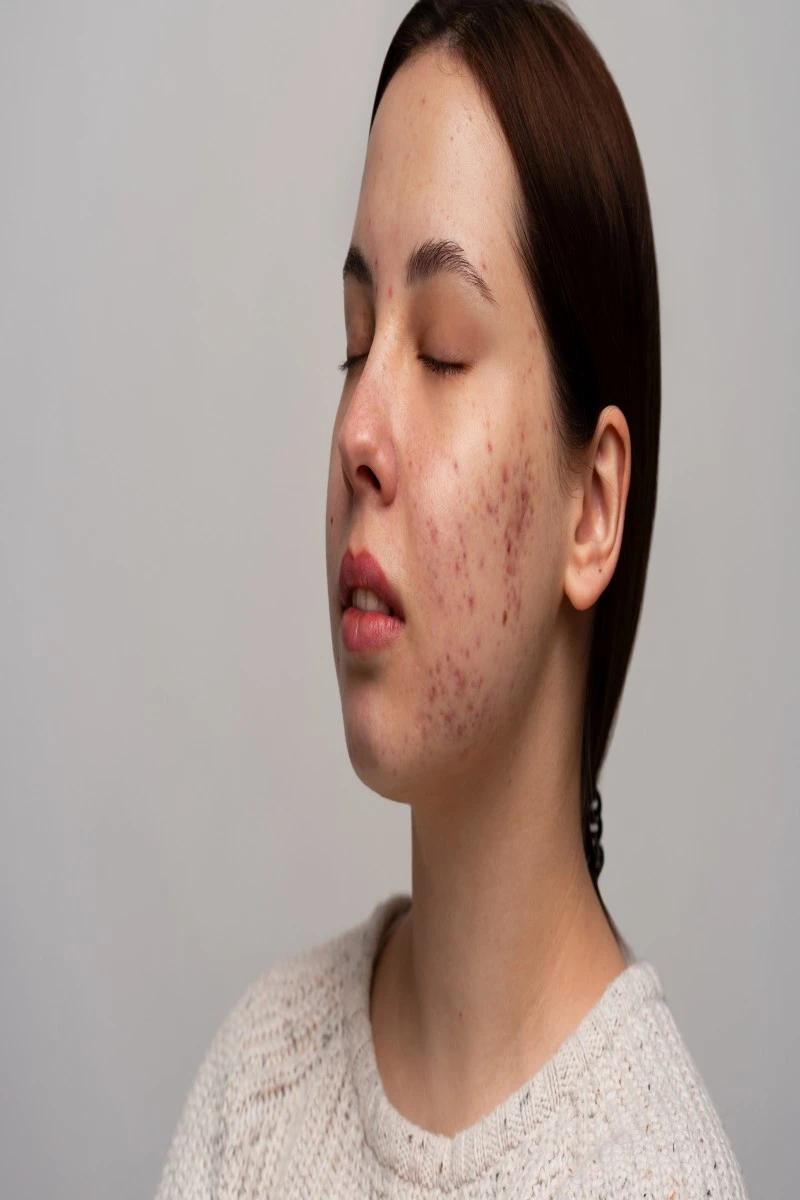
Is Subcision Good for Acne Scars? Complete Treatment Guide
Acne scars can affect not just your skin but also your confidence. Many people struggle with deep or rolling scars that don’t improve with creams or home remedies. One advanced dermatological procedure that has gained popularity in recent years is subcision. But the big question remains — is subcision good for acne scars?
In this complete guide, we will explain how subcision works, who should consider it, the expected results, the recovery time, and important safety considerations.

What is Subcision for Acne Scars?
Subcision is a minimally invasive dermatological procedure used to treat depressed or atrophic acne scars, especially rolling scars. In this treatment, a specialised needle is inserted under the skin to break the fibrous bands that pull the scar downward.
Once these bands are released, the skin gradually lifts and stimulates natural collagen production, leading to smoother skin texture over time. This makes subcision one of the most effective procedures for deep acne scars that do not respond well to topical treatments.
If you are unsure whether this treatment is suitable for you, consulting a qualified skin doctor in Laxmi Nagar can help you understand your scar type and treatment options.
Is Subcision Good for Acne Scars?
Yes, subcision is considered highly effective for certain types of acne scars — particularly rolling scars and tethered scars. Dermatologists often recommend it as part of a combination treatment plan.
Key Benefits of Subcision
- Helps release deep scar tissue
- Improves overall skin texture
- Stimulates collagen formation
- Can be combined with laser, fillers, or microneedling
- Provides long-term improvement in scar depth
However, the results depend on factors like scar severity, skin type, and the expertise of the treating dermatologist. A personalised consultation with a dermatologist in Laxmi Nagar ensures better treatment planning and realistic expectations.
Who is the Right Candidate for Subcision?
Subcision is ideal for individuals who:
- Have rolling or depressed acne scars
- Do not see improvement with creams or chemical peels
- Want a minimally invasive solution
- Are willing to undergo multiple sessions if required
It may not be suitable for very superficial scars or active acne. A proper skin assessment by a trusted skin doctor in East Delhi helps determine whether subcision alone or combination therapy will provide the best results.
Subcision Procedure: What to Expect
The procedure is usually performed in a clinic setting and takes around 20–40 minutes, depending on the treatment area.
Step-by-Step Overview
- Local anaesthesia is applied to minimise discomfort.
- A fine needle or cannula is inserted under the scar.
- Fibrous bands are gently released.
- Mild pressure or dressing may be applied to reduce swelling.
Most patients describe the procedure as mildly uncomfortable but tolerable.
Recovery Time and Side Effects
One of the biggest advantages of subcision is minimal downtime. After the procedure, you may experience:
- Mild swelling
- Bruising
- Tenderness
- Temporary redness
These symptoms usually improve within 5–7 days. Following post-treatment care instructions and choosing an experienced skin doctor in Mayur Vihar Phase 3 can significantly reduce the risk of complications.
How Many Sessions Are Needed?
Subcision results are gradual because the skin needs time to produce collagen. Most patients require 2–4 sessions spaced 4–6 weeks apart.
In many cases, dermatologists combine subcision with treatments like:
- Microneedling RF
- Laser resurfacing
- Dermal fillers
- PRP therapy
This combination approach enhances results and provides more noticeable scar improvement.
Are the Results Permanent?
Subcision offers long-lasting improvement, especially for deep scars. Once the fibrous bands are released and collagen remodelling occurs, the treated scars usually do not return to their previous depth.
However, maintaining good skincare, avoiding acne flare-ups, and following dermatologist recommendations are essential for sustaining results.
Final Verdict: Is Subcision Worth It?
If you are dealing with stubborn, deep acne scars, subcision can be a safe and effective solution when performed by an experienced dermatologist. It addresses the root cause of scar depression rather than just improving the surface.
The key to successful results lies in proper diagnosis, customised treatment planning, and combination therapies when needed. Always consult a qualified skin specialist to understand whether this procedure is right for your skin.
Take the First Step Towards Smoother Skin
Acne scars don’t have to be permanent. With advanced treatments like subcision and expert dermatological care, you can achieve noticeable skin improvement and regain confidence. Booking a consultation with a trusted skin clinic like Saran Skin Clinic can help you start your journey toward healthier, clearer skin
FAQs
Question 1. Is subcision painful for acne scar treatment?
Answer: Subcision is usually not very painful because dermatologists apply local anesthesia before the procedure. Patients may feel mild pressure or discomfort during treatment, followed by slight tenderness or bruising for a few days.
Question 2. How long does it take to see results after subcision?
Answer: Initial improvement can be noticed within 2–3 weeks, but the best results appear gradually over 2–3 months as collagen production increases and the skin heals naturally.
Question 3. How many subcision sessions are required for acne scars?
Answer: Most people need 2 to 4 sessions, depending on scar depth and severity. Dermatologists may combine subcision with laser or microneedling treatments for faster and better results.
Question 4. Is subcision safe for all skin types?
Answer: Yes, subcision is generally safe for most skin types when performed by an experienced dermatologist. However, a proper skin consultation is important to avoid complications and to create a customised treatment plan.
Question 5. Can subcision permanently remove acne scars?
Answer: Subcision can provide long-lasting improvement in deep acne scars by releasing scar tissue and boosting collagen. While it may not remove scars completely, it significantly reduces their depth and improves skin texture.